Workshop 1
The Reflective Teacher: Sustainable Growth for the 21st-Century Piano Educator
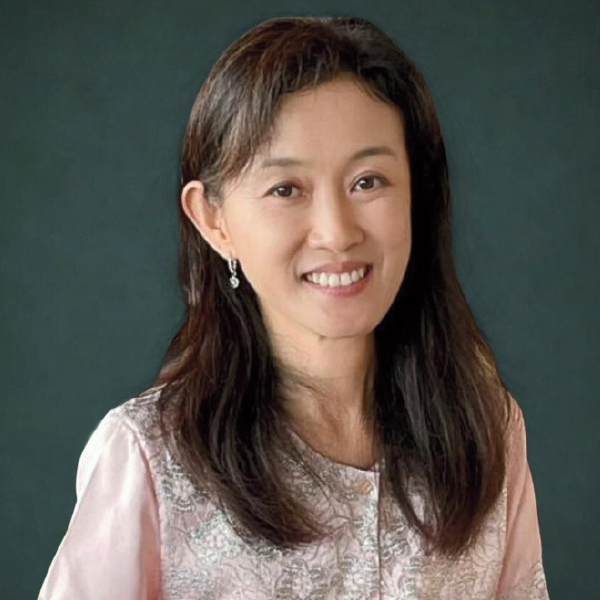
Dr Yumi Yoshioka
Piano lecturer, Universiti Sains Malaysia
In today’s evolving educational landscape, piano teachers are expected to adapt, inspire, and grow beyond traditional methods. This 90-minute session invites educators to reflect on their practice, explore accessible pathways for professional growth, and commit to intentional development in a culturally sensitive and sustainable way. Through guided reflection, interactive polling, and structured goal-setting, participants will examine the value of continuing professional development (CPD) and leave with actionable insights and a personalised growth plan. The session also creates space to recognise shared challenges and aspirations, fostering a sense of professional community and mutual encouragement. Balancing individual reflection, collective wisdom, and practical tools, the workshop is designed to help teachers sustain excellence in their unique teaching contexts.
Yumi Yoshioka is a lecturer in applied piano, class piano and piano pedagogy at Universiti Sains Malaysia, specialising in piano pedagogy, reflective teaching practice and community music engagement. She earned both her master’s and doctorate degrees in piano pedagogy from the University of South Carolina, USA, under the mentorship of Dr Scott Price.
In addition to her teaching and research, Dr Yoshioka has founded several initiatives to support the development of teachers and students. These include the USM Community Music Programme, which has provided piano lessons to children in the community while serving as a pre-internship platform for USM music students for over 15 years; the USM Piano Achievement Day, which offers performance and learning opportunities for young pianists and their teachers; and the USM Piano Duet Festival and Gala Concert, which bring together local pianists and USM music lecturers to celebrate collaborative performance and creative repertoire.
Dr Yoshioka presents at national and international conferences, offering workshops and sessions on topics such as aural skills pedagogy, repertoire selection, teaching approaches and continuing professional development. She is committed to helping piano educators grow through reflective practice and to fostering strong, engaged musical communities.
Workshop 2
Collaboration, Conversation and Connection Through the Arts
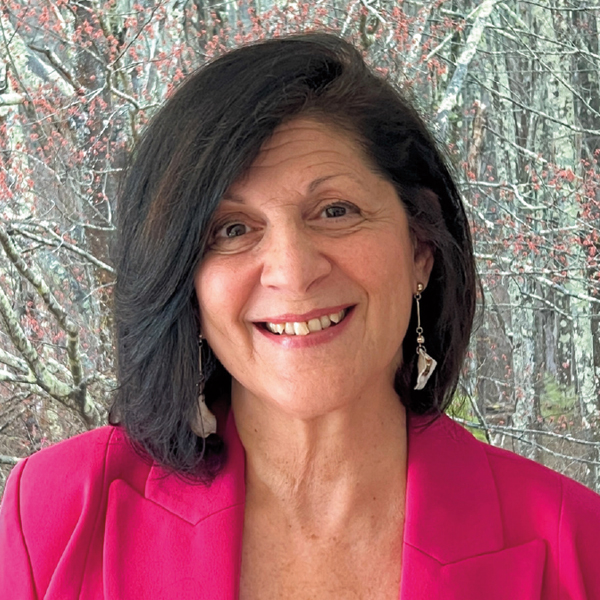
Jeanine Esposito
Founder of Beechwood Arts and Innovation, The HIVE
Through Beechwood Arts and Innovation and The HIVE by Beechwood, Jeanine Esposito and pianist Frederic Chiu curated and hosted 120 “Arts Immersion Salons” that integrated music, art, film, performance, food and community conversation around meaningful themes. The salons fostered deep engagement and inspired a strong sense of community among attendees. The HIVE extends this model by facilitating post-performance dialogue around themes of being human, creating excitement and connection across diverse audiences. The unexpected connections between audience members, together with meaningful dialogue with artists and performers, create a lasting impact on all participants and point towards the future of performance and audience interaction.
This interactive workshop will explore:
- The WHY of collaboration across the arts
- The IMPACT of conversation and turning audiences towards each other, with examples from Beechwood Arts and The HIVE
- The WHAT: Key success factors in designing, curating, hosting and facilitating collaborative programmes
- The HOW of applying these core elements to your own resources and contexts
Jeanine Esposito is an early innovation pioneer who founded two consulting companies, leading initiatives at more than 40 multinational corporations and helping arts non-profits and libraries reimagine how they serve their communities. She is also an award-winning visual artist.
Together with her husband, renowned pianist Frederic Chiu, she has created and developed two collaborative arts organisations. Their first, Beechwood Arts and Innovation, brought together artists and audiences in innovative formats that combined multiple art forms with conversation and community.
Building on this foundation, they launched The HIVE, which continues to foster connection through arts collaboration. In 2025, their work was recognised with a Certificate of Special Recognition from the U.S. Senate for its impact on building community at a time when it was most needed.
Workshop 3
Accessible Music Classrooms: Practical Approaches to Teaching Autistic Students
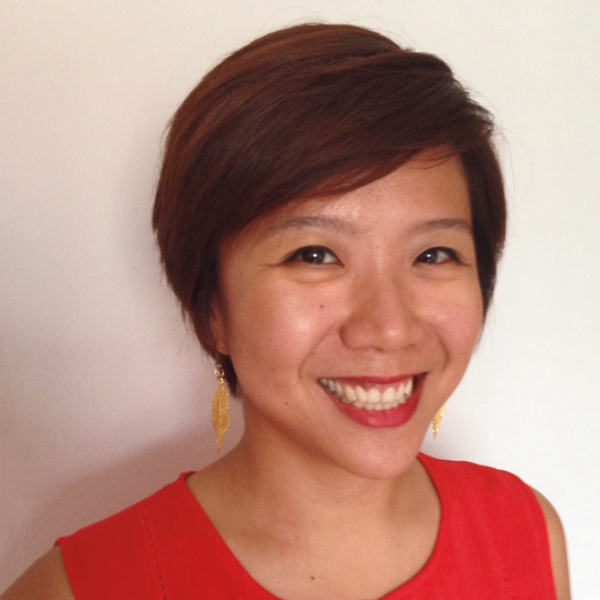
Sherrene Teh
Music Therapist, Malaysian Music Therapy Association (MMTA)
Music has the power to empower, heal and connect — but for many autistic students, meaningful access to music education remains limited. While growing awareness of neurodiversity is changing how we view autism, many music educators still feel underprepared to support these learners effectively. Increasingly, parents of autistic children are seeking music lessons as a means of expression, regulation and social connection — placing music educators in a vital position to make a lasting impact.
This session offers practical, culturally responsive and research-informed strategies to equip music educators with the tools and confidence to create accessible and inclusive learning experiences. Participants will explore how to foster a safe and comfortable environment, understand and respond to challenging behaviours with empathy, and adapt lesson plans to support a wide range of sensory, communication and cognitive needs. Emphasis will be placed on embracing neurodiversity and disability not as deficits, but as natural expressions of human variation — each with its own strengths and creative potential.
Ultimately, this session invites music teachers to become advocates and change agents — championing access, voice and belonging for all students. In doing so, educators can help build a more inclusive and compassionate music education landscape for future generations.
Sherrene Teh is a music therapist, educator and advocate who believes that music should be accessible to everyone — regardless of age, ability or background. With a Master of Music Therapy from the University of Melbourne, she has spent over a decade combining her passion for healthcare and music to create meaningful impact across clinical, educational and community settings.
Sherrene currently works with neurodivergent adolescents and young adults at Bridging Hope and consults on Trinity College London’s Music for All programme in Malaysia, which celebrates musicians with disabilities. She is also deeply involved in growing the music therapy field locally, having served as President and Vice-President of the Malaysian Music Therapy Association (MMTA).
Her experience includes working in transdisciplinary healthcare teams, mentoring students as a part-time lecturer and supervisor, and presenting workshops that explore how music can build connection, spark joy and improve lives. In 2023, she was appointed an ELITE@UM Fellow, partnering with Universiti Malaya to bridge industry and academia.
Sherrene is excited to share ideas, stories and practical tools that empower educators, therapists and communities to make music more inclusive and impactful.
Workshop 4
What Pop and Jazz Pianists Actually Do and How to Get There
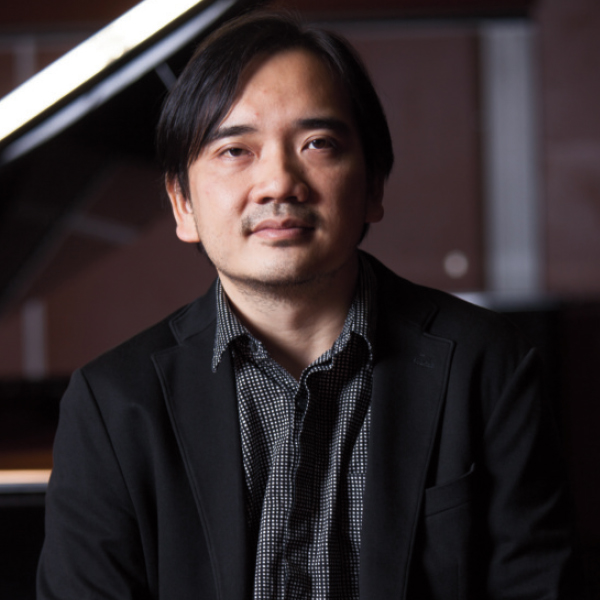
Justin Lim
UCSI University Institute of Music deputy director
This presentation examines four common performance settings for pop and jazz pianists: solo performance, leading a piano trio, accompanying a lead instrument, and playing in a rhythm section. For each setting, it outlines the distinct technical demands and musical skills required. The discussion is framed through the pianist’s interaction with three core musical elements — melody, harmony and bass. Understanding these varied contexts not only provides insight into the real-world demands placed on contemporary pianists but also presents opportunities to make piano instruction more engaging and relevant. The presentation further considers how well formal piano education aligns with these demands, arguing that holistic development depends on understanding the pianist’s role within each performance setting.
It traces the journey of a typical student — often classically trained — whose first exposure to pop and jazz occurs through solo piano arrangements. This is then contrasted with the training of university-level piano majors, where the pianist often remains central, but within the collaborative context of an ensemble such as a trio or rhythm section.
Justin Lim launched his music career as a session pianist, quickly establishing himself in Kuala Lumpur’s vibrant jazz scene. He refined his craft alongside some of the city’s most esteemed musicians, including saxophonist Julian Chan, composer-bandleader Greg Lyons, and drumming virtuoso Lewis Pragasam. His versatility extends beyond jazz, having supported a diverse range of artists — from Indonesian pop icon Kris Dayanti and Korean folk-rock legend Kang San-Eh to Malaysia’s pioneering hip-hop collective Teh Tarik Crew and acclaimed indie rock outfit Seven Collar T-Shirt. His playing is prominently featured on bass maestro Andy Peterson’s debut album Anusha, as well as Pete Teo’s award-winning sophomore release, Television.
In recognition of his achievements in composition, Justin was honoured with the National Art Award (Young Talent Category) by the Malaysian government in 2009. His contributions to music extend beyond performance — since 2008, he has been a key figure in music education at UCSI University, where he currently serves as Deputy Director and Head of Programme for Contemporary Music. In this role, he teaches courses in music theory, popular music history and ensemble performance.
Workshop 5
Reimagining Secondary Dominants as a Creative Tool in Jazz
Melvin Goh
UCSI University Institute of Music adjunct lecturer
Secondary dominants often appear in harmony classes as a way to explain temporary tonicizations or modulations—in other words, to point briefly to another chord in the key. But in jazz, they do much more. This session takes a fresh look at secondary dominants—not just as functional chords, but as powerful creative tools for improvisation, arranging, and teaching.
The workshop explores how jazz musicians use these chords in flexible, colourful ways that go far beyond the textbook. Whether adding tension, shifting tonal centres, or opening harmonic space for improvisation, secondary dominants can reshape the way harmony is understood. Classical examples will be set alongside well-known jazz standards, showing how different composers stretch or subvert expectations— sometimes resolving, sometimes not—to create surprise and movement. Examples from familiar jazz standards will highlight how these ideas can inform playing, improvisation, and teaching. This is especially valuable for students transitioning into jazz and for educators seeking practical ways to make theory feel more musical and less mechanical.
By reframing secondary dominants as opportunities for creativity rather than rules to follow, students can connect theory to sound in a more meaningful way. Participants who are ready to play and improvise over chord progressions are encouraged to apply and perform the concepts discussed in the workshop and will receive feedback. The workshop offers practical strategies and examples to make harmony lessons more engaging, more musical, and more connected to how jazz really works.
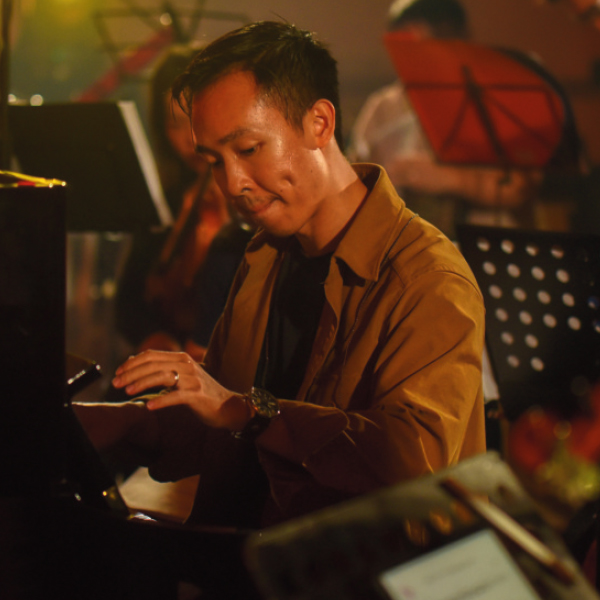
Melvin Goh is a Malaysian keyboardist, composer, and educator based in Kuala Lumpur. With a background in jazz and contemporary music, he brings a creative yet grounded approach to music-making—blending solid technique with expressive, honest playing. Since starting his career in 2011, he has performed at music festivals, TV shows, and live venues across Malaysia, collaborating with artists such as Zee Avi, Juwita Suwito, Aisha Retno, Dhruv, Lullaboy, Talitha Tan, and Clinton Jerome. In 2015, he won the Malaysian Jazz Piano Competition and later premiered his own composition Waltz and Talks at the Sime Darby Arts Festival.
Melvin holds a Master’s degree in Jazz Studies from Mahidol University in Bangkok, where he focused his research on modern jazz piano styles. He currently teaches at UCSI University’s Institute of Music and has also lectured at UiTM and the University of Malaya. His teaching covers jazz theory, ensemble performance, improvisation, transcription, and contemporary piano skills.
Outside the classroom, Melvin is part of the Malaysian Worship Collective, serving as a music director and arranger for original Malaysian worship music, while also freelancing as a session musician. He is active online, sharing performances and musical insights on platforms like YouTube and Instagram. As a mentor, Melvin is passionate about helping musicians grow in both skill and confidence—offering practical tools, creative guidance, and a supportive space to explore new ideas.
Workshop 6
Incorporating Interactive Exercises in Piano Lessons: Application of the Kodály Philosophy in Piano Teaching
Susanna Saw
Founder, Young Choral Academy, Kuala Lumpur
Traditionally, piano lessons have been associated with students working at the piano for practice or sitting at a desk for theory. However, lessons can be made more engaging and relaxed by incorporating interactive exercises inspired by the Kodály philosophy. In this approach, the voice is regarded as the primary instrument. By learning to use their voice, students can apply many of the same principles of singing to piano playing. For instance, singing phrases helps students develop a deeper sense of phrasing and tone colour.
The Kodály philosophy also emphasises musicianship through solfege singing, which trains inner hearing. This nurtures essential aural and practical skills such as interval recognition and sight-reading, which can be directly applied to piano playing.
In this workshop, you will explore fun, interactive exercises designed to strengthen musicianship skills like rhythm reading and interval identification. By linking theory to practice, students gain a clearer sense of relevance—transforming abstract concepts into tools they can use at the piano. These activities also promote stronger retention of knowledge. Join us to experience these methods firsthand and discover practical ways to integrate them into your teaching.
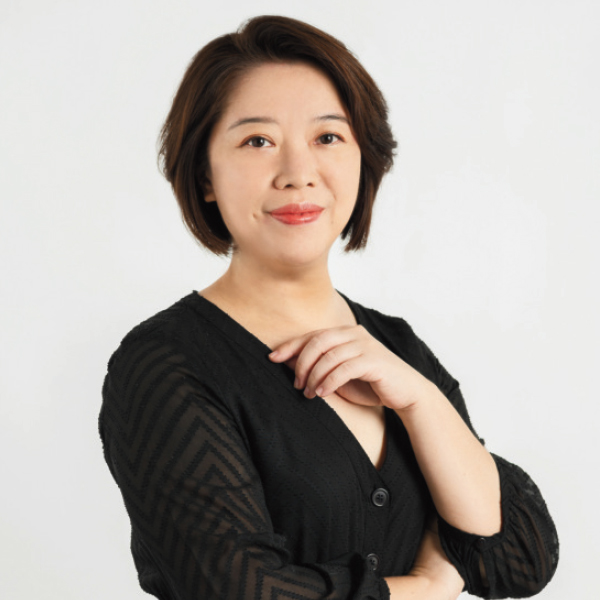
Susanna Saw is a dedicated music educator and passionate advocate for choral education in Malaysia. She holds a Master’s degree in Music Education (Choral Focus) from Westminster Choir College, USA, and currently serves as choir director at the University of Malaya (UM) and the National Academy of Arts, Culture and Heritage (ASWARA), as well as adjunct professor at Taylor’s University.
In 2007, she founded the Young Choral Academy in Kuala Lumpur, now a leading hub for vocal and choral education. She was also instrumental in introducing the Kodály Teachers’ Training Course to Southeast Asia. During the pandemic, she initiated the monthly Kodály Online Hangouts, connecting music educators worldwide—a programme that continues today in hybrid format.
Susanna is also the founder and director of the Malaysian Choral Eisteddfod (MCE), which has been hosting symposiums and festivals since 2002. She has served regularly as a jury member for INTERKULTUR’s Asia Pacific and World Choir Games since 2007 and is an active member of the Asia- Pacific Choral Council (IFCM) and the Asian Choral Association.
An in-demand speaker on effective music teaching in the 21st century, she is vice-president of the International Kodály Society, the World Youth and Children Choral Artists’ Association, and the Malaysian Association for Music Education. She also serves on the Advisory Boards of INTERKULTUR and CHORALSPACE (Germany).